Home›Blog ›Beyond the Basics: Understanding High-Voltage Cables for X-Ray Machines (75KV & 90KV)
Beyond the Basics: Understanding High-Voltage Cables for X-Ray Machines (75KV & 90KV)
When people talk about X-ray equipment, they usually focus on the tube head or generator—but the high-voltage cable is the unsung hero that makes everything work. Whether you’re working with a 75KV elbow-style cable or a 90KV straight variant, understanding how these components work, how to care for them, and how to choose the right one is key to keeping your diagnostic equipment running smoothly.
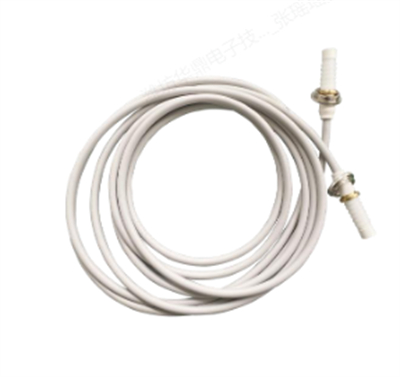
The Core Role of High-Voltage Cables in X-Ray Systems
At their most basic, high-voltage cables are the lifeline between the generator and the X-ray tube in medium and large-sized machines. They have two essential functions:
- Carry high voltage from the generator to the tube’s poles, creating the electrical potential needed to produce X-rays.
- Deliver filament heating voltage to the tube, warming the filament so it emits electrons for the imaging process.
Structurally, these cables come in two main designs based on central conductor arrangement:
- Coaxial (Concentric): The most common type, with the central conductor surrounded by insulation and shielding for consistent power delivery.
- Non-Coaxial (Non-Concentric): Used in specialized setups where space or routing requires a different layout.
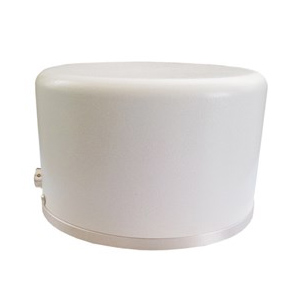
The Elbow 75KV High Voltage Cable (shown above) is a popular choice for its angled connector, which simplifies installation in tight equipment enclosures, while 90KV models are often used in higher-power systems, with lengths ranging from 8m to 20m to fit different machine configurations.
How to Keep Your High-Voltage Cable in Top Shape
Even the best cables wear out if mistreated, so follow these critical usage precautions:
- Mind the Bend Radius: The golden rule for all high-voltage cables: never bend them more tightly than 5–8 times their diameter. Over-bending can crack the insulation, reducing its ability to withstand high voltage and creating safety risks.
- Protect Against Contamination: Oil, moisture, and corrosive gases are the biggest enemies of rubber-insulated cables. Always keep the cable clean and dry, and avoid exposing it to spills or harsh environments.
- Inspect Regularly: Check for signs of wear like cracks, discoloration, or fraying in the insulation, especially near connectors. Early detection can prevent unexpected failures during critical scans.
Choosing the Right Cable for Your Needs
When selecting a high-voltage cable for your X-ray machine, consider these key factors:
- Voltage Rating: Match the cable’s rating (75KV or 90KV) to your generator and tube specifications to ensure safe, compatible operation.
- Connector Style: Elbow connectors (like the 75KV model) are ideal for tight spaces, while straight connectors work well in open layouts.
- Length: 90KV cables come in 8m, 12m, 15m, and 20m options—choose a length that fits your machine’s setup without excess slack that could lead to tangling or damage.
Your X-ray machine is only as reliable as its weakest link—and for many systems, that link is the high-voltage cable. By choosing the right model, following proper care practices, and staying on top of maintenance, you can avoid costly downtime and ensure consistent, high-quality imaging for every patient.
These two articles target different angles (one focused on the elbow 75KV cable specifically, the other a broader buyer’s guide) with distinct tones and keywords, making them more likely to rank well for varied search queries.
Author:Image Intensifier
Product Category
News
- Medical CCD Camera | Reliable Component for C-Arm System Refurbishment
- C arm image intensifier | 6/9/12 inch medical X-ray image intensifier replacement parts
- Replacement High Voltage Power Supply for X-Ray Image Intensifier: A Complete Buyer’s Guide
- Cost-Effective Medical Image Intensifier: High-Resolution Low-Distortion for Budget-Conscious Facilities
- Image Intensifier: A Practical Core Device for X-Ray Imaging
Contact us
Tel: +86 19015366638
Whatsapp: +86 19015366638
Email: newheekcn@163.com
Company: Weifang Newheek Electronic Technology Co., Ltd.
ADD: E Building of Future Star Scientific Innovation Industrial Zone of No.957 Wolong East Street, Yulong Community, Xincheng Sub-District Office, Weifang Hi-tech Zone, Shandong Province, China