Home›Blog ›Medical Image Intensifiers: Classification, Core Specifications, and Clinical & Industrial Applications
Medical Image Intensifiers: Classification, Core Specifications, and Clinical & Industrial Applications
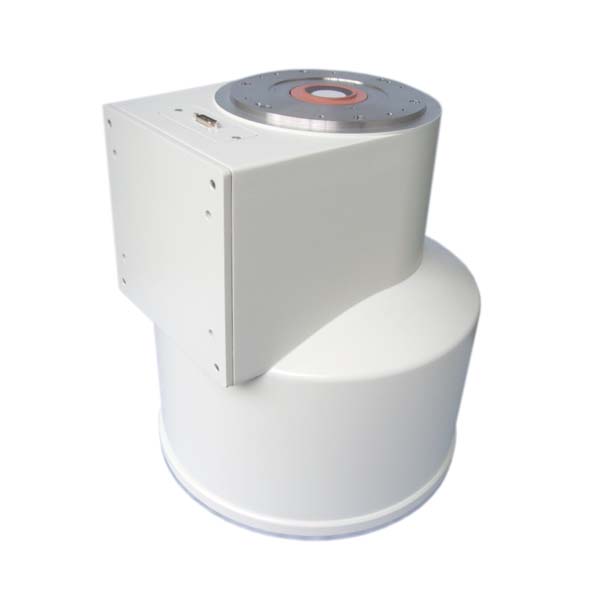
-
Classification by Output Image Diameter
The output image diameter determines compatibility with downstream cameras and optical systems, making it a key consideration for system integration. The most common specifications are 25mm and 20mm:
- 25mm Format: Represented by models like the NK-31XZ and NK-23XZ (P3H), this is the dominant size for both medical and industrial applications. It aligns with most standard camera interfaces, offers broad compatibility with various imaging setups, and delivers a balanced performance in terms of dynamic range and adaptability.
- 20mm Format: Such as the NK-23XZ (P3), this compact form factor is tailored for small, portable detection equipment. It excels in space-constrained environments while still meeting the imaging requirements for routine inspections, making it ideal for miniaturized medical and industrial devices.
-
Classification by Effective Input Field Size
The effective input field defines the maximum imaging area the device can capture, with common sizes including 303mm, 215mm, 160mm, and 120mm:
- Large Input Field (303±3mm): The NK-31XZ model falls into this category, designed for large-scale imaging tasks. It is ideal for inspecting large workpieces or conducting broad-area medical fluoroscopy, reducing the need for multiple scans and significantly improving efficiency in applications like large casting NDT and full-body screening.
- Medium Input Field (215±3mm / 160±2mm): Models such as the NK-23XZ (P3H) and NK-23XZ (P3) are optimized for mid-range applications. They strike a balance between imaging coverage and detail performance, making them the preferred choice for interventional medical procedures and small-to-medium industrial part inspections.
- Small Input Field (120±2mm): Built for high-precision, localized imaging, these intensifiers focus on capturing fine details. They are commonly used for tasks like precision weld seam inspection in manufacturing and microscopic lesion observation in clinical settings, where clarity and contrast in targeted areas are critical.
-
Classification by Central Resolution Grade
Central resolution (measured in line pairs per centimeter, lp/cm) quantifies the device’s ability to distinguish fine details, with higher values indicating sharper imaging. Leading models show clear performance differences in this metric:
- High-Resolution (≥50 lp/cm): The NK-23XZ (P3H) model leads this category, delivering 68 lp/cm at a 12cm field of view (FOV) and 58 lp/cm at a 16cm FOV. This level of precision supports high-stakes applications, including advanced medical imaging and precision industrial testing, where identifying minute defects and subtle features is essential.
- Mid-to-High Resolution (45–50 lp/cm): The NK-23XZ (P3) offers strong performance with 66 lp/cm at 12cm FOV and 56 lp/cm at 16cm FOV. It meets the requirements of most routine industrial inspections and general medical imaging, providing a cost-effective balance of quality and affordability.
- Standard Resolution (≤45 lp/cm): The NK-31XZ falls into this group, with resolutions of 34 lp/cm at a 31cm FOV and 44 lp/cm at a 23cm FOV. These are suited for large-area screening tasks where high detail is not a primary requirement, such as initial inspections of large structural components.
-
Classification by Application and Compatibility
Many modern intensifiers are designed to be drop-in replacements for established imported models, and they are grouped into medical-grade and industrial-grade categories based on use case optimization:
- Medical-Grade: Models like the NK-23XZ (P3) and NK-23XZ (P3H) are engineered for clinical environments, with compatibility to replace legacy models such as the TH9428, TH59428, E5804HD, and E5764HD. They feature low noise floors and high long-term stability, adhering to strict safety and performance standards required for fluoroscopy, interventional radiology, and surgical procedures.
- Industrial-Grade: The NK-31XZ and similar models are built for harsh industrial conditions, replacing units like the TH9432 QX, TH9436QX, E5765HD, and E5884HD. These intensifiers prioritize resistance to interference and extended operational lifespans, making them reliable for industrial NDT, security imaging, and other demanding non-medical applications.
Author:Image Intensifier
Product Category
News
Contact us
Tel: +86 19015366638
Whatsapp: +86 19015366638
Email: newheekcn@163.com
Company: Weifang Newheek Electronic Technology Co., Ltd.
ADD: E Building of Future Star Scientific Innovation Industrial Zone of No.957 Wolong East Street, Yulong Community, Xincheng Sub-District Office, Weifang Hi-tech Zone, Shandong Province, China