Home›Blog ›Mobile C-arm Image Intensifier: A Complete Guide
Mobile C-arm Image Intensifier: A Complete Guide
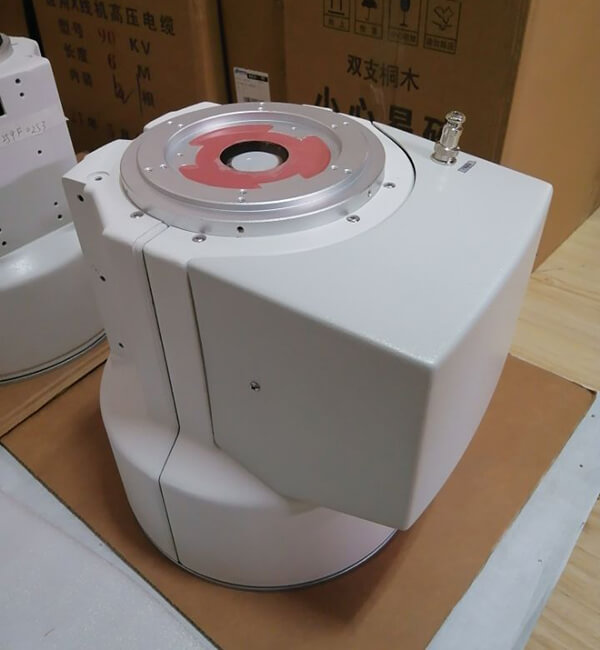
For hospitals, surgical centers, and procurement teams worldwide, the mobile C-arm image intensifier remains one of the most versatile, cost-effective, and widely trusted imaging solutions across orthopedics, trauma surgery, pain management, and interventional procedures. Unlike flat-detector-only systems that often come with a higher upfront investment, image intensifier-based mobile C-arms deliver proven reliability, fast workflow integration, and strong clinical performance—making them the preferred choice for facilities looking to balance imaging quality, operational efficiency, and long-term return on investment.
This guide is designed to help you evaluate, compare, and select the right mobile C-arm image intensifier system for your clinical needs. Whether you are upgrading existing equipment, expanding into new procedural areas, or sourcing reliable devices for multiple locations, you will find clear, actionable information on core specifications, practical selection criteria, and answers to the most frequently asked questions from global healthcare buyers.
Image Intensifier Tube Performance
Input Field Size: Common configurations range from 9 inches to 12 inches. Larger input fields support broader anatomical coverage during trauma, orthopedic, and spinal procedures, reducing the need for repeated repositioning.
Resolution and Brightness: Look for systems that deliver high-resolution output with low image noise, ensuring clear visualization of fine bone structures, surgical instruments, and guidewires without unnecessary dose increases.
Conversion Efficiency: Modern image intensifier designs convert X-ray signals into bright, high-contrast visible images efficiently, helping lower radiation exposure for both patients and surgical teams.
Choosing the right mobile C-arm image intensifier is not about selecting the most technically advanced system available—it is about matching device capabilities to your specific case volume, procedural scope, budget profile, and long-term operational goals. Here are the key factors global procurement teams prioritize:
Orthopedic and Trauma Surgery: Prioritize a 9-inch to 12-inch image intensifier, flexible motorized positioning, and fast image refresh rates to support fracture reduction, orthopedic implant placement, and trauma emergency workflows.
Pain Management and Minor Interventions: Look for compact, easy-to-maneuver systems with low-dose fluoroscopy modes, ideal for pain clinics and outpatient surgical centers performing pain injection and minimally invasive procedures.
Multi-Disciplinary Operating Rooms: Select a model with optional DSA and navigation upgrade capabilities, so the system can serve orthopedics, general surgery, and basic vascular procedures across different departments.
By Facility Size and Volume
Small Clinics and Outpatient Centers: A compact, cost-effective mobile C-arm image intensifier with reliable basic imaging performance offers fast return on investment for low to medium procedure volumes.
Mid-Size Hospitals and Surgical Centers: Choose a system with enhanced cooling capacity, extended working time, and DICOM connectivity to handle higher daily case volumes and meet hospital-wide documentation requirements.
Large Hospitals and Specialized Departments: Prioritize systems that support future upgrades to dual-laser positioning, fluoroscopy navigation, and 3D imaging functionality, ensuring the device can grow alongside expanding clinical service demands.
By Total Cost of Ownership
Upfront Investment: Image intensifier-based mobile C-arms typically represent a more budget-friendly initial investment compared to premium flat-detector models, making them highly attractive for new facilities or multi-site expansion projects.
Operational and Maintenance Costs: Proven, widely adopted system designs often come with more accessible spare parts, longer service lifespans, and competitive after-sales support agreements—helping keep long-term operational costs predictable.
Upgrade Path Availability: The best systems allow you to add new features such as DSA modules, navigation tools, or advanced image processing at a later stage, so you do not need to replace the entire unit as your clinical capabilities expand.
If you are currently reviewing specifications, comparing different model options, or looking for detailed information about configuration choices, upgrade possibilities, and delivery terms, our team is ready to provide you with clear, tailored information to support your decision-making.
Author:Image Intensifier
Product Category
News
- How to Correctly Clean the Optical Window of an Image Intensifier
- NK-23XZ/P3H image intensifier can replace Thales original TH9438QX image intensifier
- High voltage power supply -NK5761HD/P4P7
- 9-Inch vs. 12-Inch Image Intensifier: Why Tube Size Alone Is the Wrong Way to Choose a Replacement
- Is Your C-Arm Image Intensifier Actually Failing? 6 Symptoms That Point to Replacement (and 3 That Don’t)
Contact us
Tel: +86 19015366638
Whatsapp: +86 19015366638
Email: newheekcn@163.com
Company: Weifang Newheek Electronic Technology Co., Ltd.
ADD: E Building of Future Star Scientific Innovation Industrial Zone of No.957 Wolong East Street, Yulong Community, Xincheng Sub-District Office, Weifang Hi-tech Zone, Shandong Province, China